Are you sick of the long waits in your doctors office? Let’s face it, this time of year providers are inundated with patients coming in for the flu and common colds. This leads to long waits in those waiting rooms meaning more time away from work, incurring travel expenses and time.
What is telemedicine?
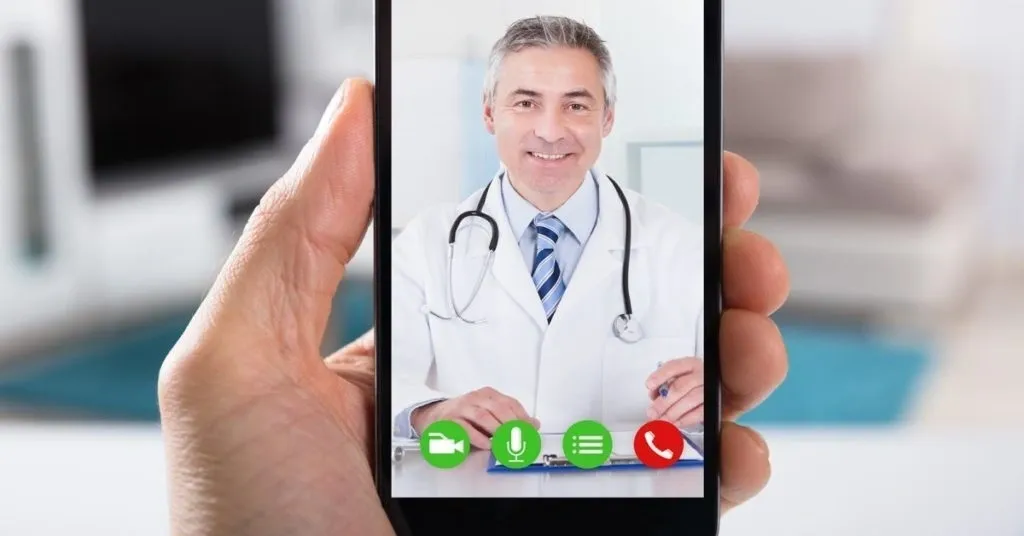
Telemedicine allows health care professionals to evaluate, diagnose and treat patients at a distance using telecommunications technology. The approach has been through a striking evolution in the last decade and it is becoming an increasingly
Patients enjoy:
· Less time away from work
· No travel expenses or time
· Less interference with child or elder care responsibilities
· Privacy
· No exposure to other potentially contagious patients
Providers enjoy:
· Increased revenue
· Improved office efficiency
· An answer to the competitive threat of retail health clinics and on-line only providers
· Better patient follow through and improved health outcomes
· Fewer missed appointments and cancellations
· Private payer reimbursement
Privacy and Security
Because patient data will be transmitted when telemedicine is used, it is subject to HIPAA regulations. Consumer video services like Skype and Facetime do not meet this standard. In order to maintain compliance, providers must choose technology solutions that use data encryption to protect patient data.
Reimbursement
The amount providers are reimbursed for telemedicine will vary depending on a state’s legislation. Some states specifically mandate that private payers reimburse the same amount for telemedicine as if the service was provided in-person. However, most states with reimbursement mandates leave this determination up to the payers. We have found the majority of private payers still reimburse at levels equivalent to in-person visits.
How common is Telemedicine?
Telemedicine is an important and quickly growing component of healthcare delivery in the United States. There are currently about 200 telemedicine networks, with 3,500 service sites in the US. In 2011 alone the Veterans Health Administration delivered over 300,000 remote consultations using telemedicine. More than half of all U.S. hospitals now use some form of telemedicine.
Is Telemedicine safe?
Yes. When used under the right conditions and for appropriate cases, telemedicine has been shown to be as safe and effective as in-person care. Of course, not every condition is conducive to treatment via video visits, so providers must use good judgement when leveraging this channel for healthcare delivery.
Does Medicare or Medicaid pay for Telemedicine?
For Medicare patients, national telehealth policy sets many restrictions on patient location, services provided over telemedicine and facilities at which patients receive these services. However, the Medicare Chronic Care Management Program is a national policy that set no such restrictions on practicing telemedicine.
Medicaid reimbursement varies from state to state, resulting in a patchwork of different policies and reimbursement requirements.
How difficult is Telemedicine technology to use?
In order to be effective, telemedicine technologies must be easy to use for both patients and providers. The best solutions are easy for medical offices to set up and deploy and as easy for patients as the mobile device applications they use every day.
Check with your health insurance provider today to see if they offer telemedicine services.