Are you failing at Interviews
May 7, 2026
Practical guidance on compliance, employee management, and building a strong HR foundation.
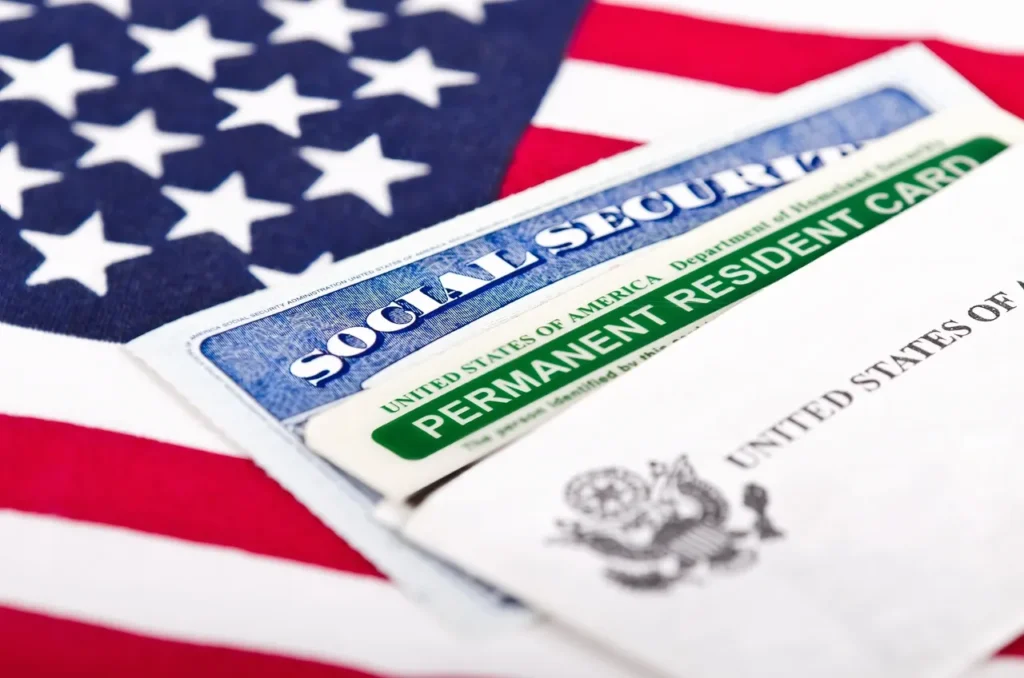
As previously reported, USCIS has relaxed its rules regarding the in-person inspection of employee documents when filling out a Form I-9 in response to the COVID-19 pandemic. The agency recently announced that its “relaxed” rules have once again been extended until March 31, 2021. What do employers need to know about this latest development?
When Do These Relaxed Rules Apply?
You shouldn’t assume that your workplace qualifies for these relaxed rules, especially given the fluid nature of return-to-work plans. Instead, you should closely track eligibility requirements and plan ahead – especially if your organization is taking steps to bring employees back to the workplace.
These “relaxed” rules apply where (i) workplaces are shut down or (ii) where new hires and employees needing to update temporary work authorizations are subject to quarantine or no-travel orders. Under these circumstances, acceptable I-9 document(s) may be inspected by scan, fax, computer camera, or other remote method.
ICE notes that “this policy only applies to employers and workplaces that are operating remotely. If there are employees physically present at a work location, no exceptions are being implemented at this time for in-person verification of identity and employment eligibility documentation for Form I-9, Employment Eligibility Verification.” Even with the “relaxed” document rules in place, and especially now that many companies are seeing employees return to the workplace, if there is a question as to whether employees are “physically present” in the workplace, employers should err on the side of in-person document review, unless the new hire is unable to meet in person due to COVID-19 quarantine or lockdown protocols.
In-person document review can be done by employees in the workplace who have been trained to review documents and fill out Section 2 of the I-9; by HR professionals who meet up with the new hire either in the workplace or offsite; or by an attorney or other person designated by the company who can meet with the new hire in person, examine the document(s), and fill out Section 2. Contact your immigration attorney for more guidance on the rules applicable to non-employee “authorized representatives.”
Here is an overview of the “relaxed” requirements, and protocol to follow when operations return to normal:
Remote Document Review
In-Person Inspection Upon Return To Normal Operations
When normal operations resume, all employees whose documents were presented remotely must, within three business days, undergo in-person examination of those documents. The same person who conducted the remote inspection should perform the physical inspection, write the words “documents physically examined” in the Additional Information box in Section 2, and should include their name and the date of in-person inspection.
What’s Next?
There is no way to know if ICE is going to extend these rules after March 31, 2021, and if so, for how long. You should enjoy the relaxed nature of these temporary rules for the time being, but don’t get too used to them. Make sure you stay aware of the current state of the law so you can be in compliance at all times.
Even though these rules are relaxed, it is important to follow them closely. ICE is anticipated to significantly expand its I-9 inspection efforts once the pandemic nears its end. The federal government will be looking for errors made under its relaxed rules, as well as other common I-9 mistakes.
Given that fines for I-9 errors can run in the thousands of dollars per I-9, the cost of a self-audit is relatively inexpensive, and helps ensure compliance moving forward. Now is a good time to review your I-9s for compliance.




Tell us what’s going on—we’ll point you in the right direction.
We’ll review your message and respond within 24 hours with clear next steps.



Get practical HR insights delivered directly to your inbox.
If you’re dealing with HR challenges or want to ensure your business is compliant, let’s talk.